

Barton Upon Humber
Updated: 5 hours ago
Following a week in Norfolk, we spent five night by the River Humber in the Lincolnshire town of Barton. The estuary is spanned here by the mighty Humber Bridge, completed in 1981. Across the water lies Hull - a major maritime city in Yorkshire. We had booked a caravan stay by a lake, within the grounds of a private property on the fringes of Waters' Edge Country Park - a wildlife oasis featuring wetlands, woodlands, and wildflower meadows on land formerly dominated by industry. Our abode for the next few days was a large touring-style caravan. Table and seating at one end, double bed at the other. Cooking facilities and shower in between. The attached awning offered extra storage space.

What about the toilet facilities? The tiny bathroom had a chemical loo that emptied into a removable cassette, accessed from outside - a duty performed daily by our host Barry. It was fine for a piddle but we made use of the local Tesco for more hefty deposits. The van wasn't plumbed in, but drinking and waste water containers were monitored by Barry and his wife. They were a friendly couple who kept poultry and rescue geese/ducks. There was also a group of Guinea fowl who scuttled around together making a curious high-pitched call. Wild Canada geese often wandered by. There was a bucket of feed by the caravan and we were encouraged to use it, which invariably meant you were quickly surrounded by new-found friends. Sometimes a beak even poked into the awning if the zipper wasn't fully pulled down. A very quiet location but just a few minutes drive from town. Our first destination was Spurn Point on the Yorkshire side. This three-mile sand and shingle spit sticks out beyond the Humber Estuary and into the North Sea. The area is environmentally sensitive, constantly shifting shape and battling erosion. A military railway and heavy fortifications were constructed during both World Wars but no fighting occurred here. We bought a bridge pass online that was valid for 10 crossings, verified by number plate recognition cameras. After skirting Hull, we passed through a succession of rural villages before reaching the narrow curving peninsula. The Humber is a key shipping lane and ferries depart for the continent. A large amount of wildlife is supported and the vast mud flats provide rich feeding grounds for wading birds. Eelgrass is one of the few plants capable of flowering in the sea and this habitat is vital for shellfish. The Yorkshire Wildlife Trust helps care for Spurn Point and the £5 parking charge at the Discovery Centre is re-invested in conservation. We purchased drinks at the café and browsed the exhibition. There were a couple of bird hides nearby and we ate our packed lunch while viewing the wading pools. We followed a path to a viewpoint that looked out towards the sea. The tide was well in the distance and large expanses of grassland and sand were exposed. It was a blustery in this exposed position and we soon returned to the interior of the peninsula. The road running out towards the lighthouse at the end of Spurn Point was breached by a tidal surge in 2013 and vehicular access now ceases abruptly at the Discovery Centre. You can continue on foot or by bike but tide times must be checked as the incoming water now creates a temporary island.
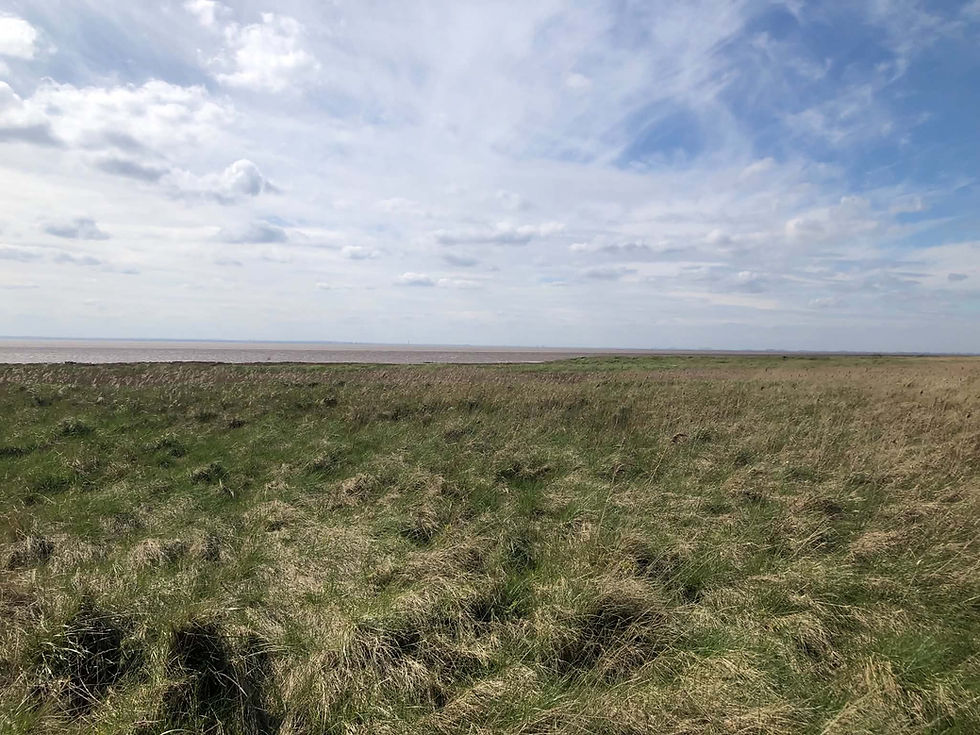
We wandered a little bit beyond the road gates before turning back inland and driving a mile and a half to Kilnsea Wetlands. Developed by the Environment Agency, the reserve provides wading birds a place to roost and feed, when leaving the Humber mudflats at high tide in autumn and winter. Offering freshwater and saline pools with islands, wet grassland and seasonal scrapes, Kilnsea has great potential to attract more species as these habitats develop, perhaps encouraging birds like oystercatchers, ringed plovers and lapwings to breed. Local livestock is employed to manage vegetation levels, with the aim of attracting more farmland species such as corn bunting. A large wooden hide overlooked one of the ponds and a local birder furnished us with some useful spotting tips. It was a good first day of our holiday, seeing a new part pf the British coastline and spending time in nature. The next day involved a train trip to York. The ancient walled city has both Roman and Viking origins. Our last visit together had been around 20 years previously and it would be nice to see the historic sights again. Barton has a railway station but it’s a branch terminus that feeds into the Lincolnshire network. The easiest way to reach York was to drive over the Humber Bridge and pick up an express service from Hull at the commuter town of Brough. We had sourced a cheap return deal online and were in York for 10am. The grand Victorian station is situated just outside the city walls and has long been a principal stop on the East Coast Main Line. Additional routes fan out across England’s biggest historic county, and the transport facility was the biggest in the world when it opened in 1877. We walked towards York Minster – the city’s most famous landmark, passing a row of cherry blossom trees and a memorial to the 1832 cholera outbreak. We crossed the River Ouse on Lendal Bridge, right by a medieval tower of the same name. Built circa 1300, the fortification originally formed part of the city’s defence chain. The tower later functioned as a waterworks and now offers luxury holiday accommodation. The Minster is the base of the Archbishop of York – the second highest office within the Church of England. Construction of the present cathedral was completed in 1472. A serious fire occurred in 1984, believed to have been started by a lightning strike. The emergency services deliberately forced the collapse of the south transept to prevent the remainder of the building from destruction. The repair process took four years and cost over £6 million in today’s terms. General admission tickets are £20, and we decided to view the exterior architecture only. A statue of Queen Elizabeth II was embedded within the lower level stonework in 2002.
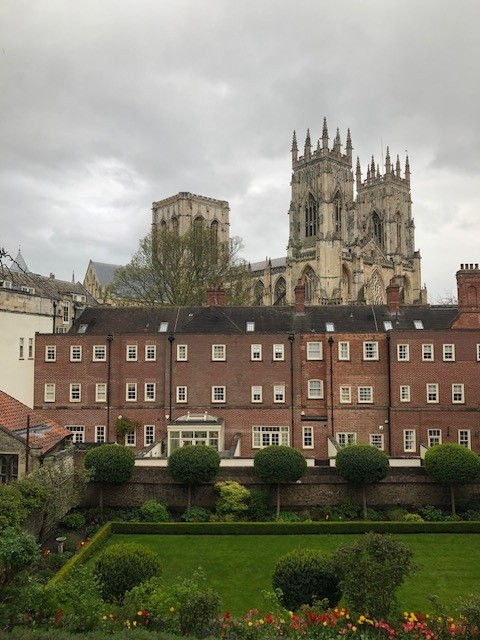
We wandered through Dean's Park to the rear of the Minster. The Grade-1 listed Treasurer's House is located in this area. Now owned by the National Trust, guided tours are offered five days per week. The gardens are open to the general public, without charge. It's pleasant to explore the narrow streets of the old town. We came across the Merchant Taylors Hall - a medieval guildhall with a stunning timber interior. The red-brick cladding was added to the building around 1700. City trade meetings been continuously held here for over 600 years and the internal space can also be rented for events such as weddings and conferences. We worked our way towards to Shambles - a charming preserved shopping street with quirky timber buildings and a range of independent traders. We soon stepped inside the Fudge Pantry. Large groups of tourists make their way along the slender thoroughfare and several alleyways lead to Shambles Market - open seven days a week. We purchased pies for lunch and found a picnic bench in the city centre. Dessert was a box of truffles we had sourced at Monk Bar Chocolatiers. After more exploring on foot, we bought tickets for a circular bus tour that encompassed some outlying parts of York. The open-top deck upstairs proved to be a great viewing position as we set off from Exhibition Square. An early highlight was Clifford's Tower - the last remaining part of York Castle, northern England’s greatest medieval fortress. It stands on a grassy mound and has looked over the city since 1245. The town walls feature four main gateways and Walmgate Bar is the only one to retain all its security features, including a portcullis and barbican. From our vantage point, we spotted a few of the stone moggies that make up the York Cat Hunt. Over 30 sculptures are dotted around the streets, with many being attached to buildings. The bus cruised by the racecourse, which opened back in 1731. A premier venue for horses, several prestigious events are staged here. We skirted Rowntree Park, a public amenity created as a memorial to the employees of the famous chocolate manufacturer who perished in the First World War. The firm is now part of the Nestle empire but the local factory continues to make old favourites such as Yorkie, KitKat and Milkybar. Another legendary York confectioner was Terry's - known internationally for the Chocolate Orange. We passed the magnificent Art Deco Chocolate Works, opened in 1926. Production ceased here in 2005 and was moved to continental Europe. The derelict industrial site was redeveloped for residential use and the iconic clock tower has been restored to working order. The bus returned to it's starting point. A good way to widen your itinerary for a day visit.
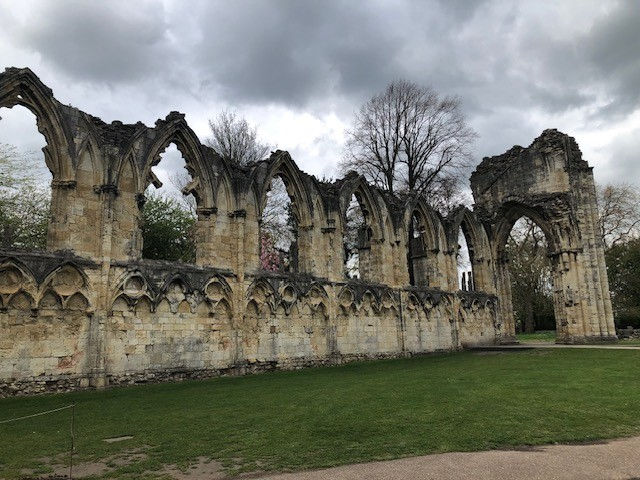
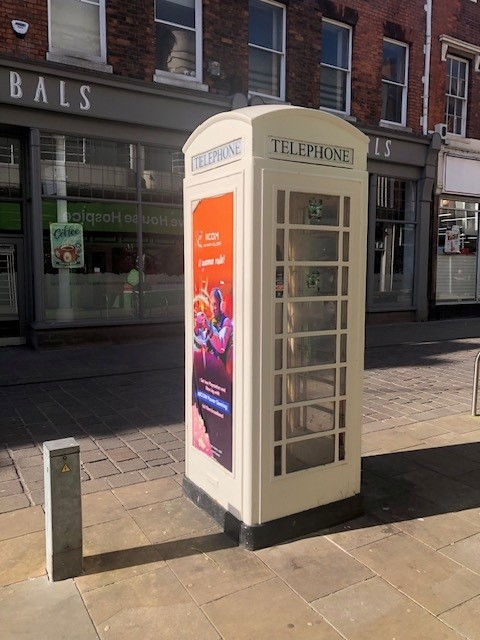
We had a look around the colourful Museum Gardens. They cover a large area and entry is free. The floral beds are spectacular and there is a fine array of mature trees. Contained within the compound are the ruins of St Mary's Abbey - once one of the wealthiest and most powerful Benedictine monasteries in England. The Reformation led to the extensive buildings falling into decay. No visit to York is complete without setting foot on the City Walls. The complete circuit is around two miles and we managed a fair portion of that. The elevated platforms offer a unique view across the surrounding townscape. It began to rain quite heavily and we ducked back down to street level, finding shelter in the Old White Swan pub, which has been serving customers since 1703, making it the city's third oldest watering hole. Now owned by the Nicholson chain, the spacious premises offer a hearty menu and a range of casks ales. I was delighted to see Timothy Taylor Boltmaker on tap. This well-balanced traditional English bitter has long been a favourite of mine. We rested up until the weather improved and then visited a few independent shops. Time was pressing on and we dropped into a Wetherspoons pub near the railway station. It was pizza night and we took advantage of the bargain food offering. Afterwards, we strolled through the historic Micklegate Bar - the most important of York’s medieval entry points, and the focus for grand events. The train took us back to Brough and another urban adventure awaited the following day, at least for me. I wanted to visit Hull but Nicole decided to enjoy a quiet day of birdwatching around Barton instead. A local bus service whisked me over the Humber Bridge and into the big city. The Hull Paragon Interchange combines rail and coach connections on a single integrated site. A fantastic idea! I navigated towards the Museum Quarter, hoping to encounter one of the mysterious white phone boxes along the way.


Comments