top of page
  • Writer: Walking With Brian
    Walking With Brian
  • Sep 16, 2025
  • 6 min read

Updated: Sep 17, 2025

This year marks the 200th anniversary of the opening of the Stockton and Darlington Railway - the world's first steam passenger line to offer regular services. Basically the starting point of the rail network we know today. A programme of events is taking place across the United Kingdom this year under the Railway 200 banner. I have already been down to Darlington to view the historic locomotive display at the Hopetown Museum. Closer to home, Stirling Castle was hosting Smoke and Steel - a photographic exhibition exploring the rise, decline and renewal of Scotland's rail network. This was right up my street and I decided to visit before the end of the five-month run.


This entailed purchasing an entrance ticket for the castle, which doesn't come cheap. I just had to take this one on the chin but I thoroughly enjoyed my tour of the old royal stronghold. There is a lot to explore within the stone walls and the views across the countryside from the hilltop position are simply breathtaking. I didn't grudge the £18 charge in any way. I shall write a separate post about my castle experience and this article will focus solely on the railway history. The material wasn't directed at the development of locomotive technology, although the workhorses of the network did of course feature. The main theme was the expansion and contraction of the Scottish rail system, and how that linked to social and industrial history. Glasgow and Edinburgh were linked by 1842 and railway construction continued apace until the end of the century, by which time a tangled web of lines spread from the Borders to Thurso on the far north coast. The country became connected to the rest of Great Britain, and further afield to the powerful Empire. Trade was changed beyond all recognition. Perishable products could easily be transported across long distances, fresh fish being a prime example. Tourism became a major industry and regular working families could travel effortlessly beyond their local parish for the first time. Victorian resorts, such as Strathpeffer, catered for affluent holidaymakers. Grand urban stations symbolised the wealth and status of the railway business. New settlements and industries grew around the rail corridors that criss-crossed the land. The exhibition featured one of the earliest known photographs of a British railway station. David Octavius Hill and Robert Adamson captured images of Linlithgow in 1843. Another eye-catching scene was the wood-panelled booking hall at Edinburgh Waverley. A stunning dome flooded the space with natural light. A 1970 renovation stripped out much of the historic interior but the intricate glass roof remains. The exhibition gallery was located in a far corner of the huge castle compound and not many people wandered in as I carefully worked my way around. Kids made a beeline for the photograph of the Glenfinnan Viaduct, known globally for its regular appearances in the Harry Potter movies. A latecomer to the railway grid, the West Highland Line overcame challenging terrain and was completed in 1901. The viaduct was formed from poured concrete, rather than the customary brickwork. Aviemore lies in a more accessible part of the Highlands and has had a station since 1863. Aside from mainline departures, Aviemore also serves as the southern terminus of the Strathspey Heritage Railway, powered by steam. The pictures also reflected social aspects of rail travel and I marvelled at the Edwardian coffee lounge inside the Glasgow Central Station Hotel.


Scotland was also a centre of locomotive building and the Queens Park Works in Glasgow belonged to the North British Company, who shipped hardware across the globe. On a more local level, no Scottish island ever received a main rail link as the costs and logistical issues were too vast to overcome. On the mainland, rough landscapes and fierce opposition from wealthy landowners stalled many schemes, often forcing a major diversion from the original plans. Great feats of engineering were achieved, none more iconic than the completion of the Forth Bridge, now a UNESCO World Heritage Site. An unusual perspective of the structure was shown; looking straight down at the tracks from the highest point, as a train crossed. There was also an image of two workers walking on the high beams with no safety equipment whatsoever. Nerves of steel, but no real say in the matter either. Dozens of men had been killed during the bridge's construction. Modern painting techniques mean the bridge only needs a new coat every couple of decades these days. Contrary to popular belief, the job was never carried out on an end-to-end basis (and immediately restarted). Laying the rail network required armies of men, known as navvies. They followed an itinerant lifestyle, often working in dangerous conditions and lodging in unsanitary temporary accommodation. The pay was good, but some of it might be in tokens that could only be redeemed in the company canteen, where the quality of the food and drink was not always premium. They certainly played hard, gaining a reputation for boozing and brawling. Women were largely excluded from the railway job market until labour shortages during the two world wars created openings. The first female train driver in Britain was Glasgow-born Karen Harrison, who qualified in 1979. There was a scene of a snowbound train on Dava Moor during the big freeze of 1963, when the extreme weather lasted three months and temperatures fell below minus 20 Celsius. I also liked the photo of the unusual stacked bridge arrangement at Calvine, Perthshire, where road and railway cross the River Garry at exactly the same point - a stipulation of the Duke of Atholl. The postal service no longer moves mail by train but this was the main method of distributing letters and packages over long distances in the past. Lineside contraptions allowed mailbags to be dropped off or taken aboard without the service actually stopping.


A haunting portrait of the fallen Tay Bridge underlined the precarious relationship with safety in Victorian times. The original structure stood for just over a year before collapsing during a storm at the tail end of 1879. A train plunged into the icy waters, killing all 75 passengers and crew. The far more substantial replacement was completed in 1887. The foundations of the old bridge can still be seen at low tide. I solved a little railway riddle that had intrigued me for years. The road sign pointing Stromeferry Station in the West Highlands has the words "no ferry" appended in brackets. I just assumed it meant that no sailings departed from here, despite the name of the village. Which it basically does, but the bit I didn't know was that Stromeferry previously served as the departure point for boats to the Isle of Skye before the line was extended out to Kyle of Lochalsh, a much more convenient crossing point. This connection was superseded by the Skye Bridge in 1995. The network also contained examples of light railways, which were relatively cheap to build but subject to speed restrictions. They tended to operate in more remote areas, where the costs of installing a full-scale system would be impossible to claw back. Rail passenger numbers began to falter after WW2 as car ownership increased rapidly. Buses had already grabbed a large share of local public transport journeys by providing cheaper and more frequent services than a train timetable ever could. They also ran right into town centres and stopped in suburbs and outlying villages, not always the case with rail. As the UK road network was improved, lorries shifted a higher percentage of the nation's freight burden. Something had to give. Enter Richard Beeching, hired by the government as a hatchet man responsible for "reshaping" rail coverage across the land. Scotland lost 650 miles of track and dozens of routes were scrapped. Some had already been switched to freight-only corridors but Beeching's arrival was a hammer blow to the industry. The provision of stations was rationalised and giant architectural gems were lost in Edinburgh, Glasgow and Dundee. Railway land was sold off and repurposed, making the prospect of future reopening very challenging.


Nevertheless, there have been successful reintroductions of services in various parts of the country. Recent projects include the Borders Railway and the Levenmouth link. An sound economic argument must be made for each proposed scheme and jumping through the political hoops can take many years, with absolutely no guarantee of a favourable outcome. We have turned a corner in the sense that no government in recent times has been actively hostile towards railways. Closing a route nowadays is virtually unthinkable. Decaying parts of the network have been given facelifts, such as the A-listed Wemyss Bay terminus - an interchange for the ferry to Bute. The curving glass and steel canopy has been restored to its former glory. In summary, the railway rot has been stopped, improvements to existing infrastructure are ongoing, but bringing a route back from the dead, or forging ahead with a new one, remains a tough assignment.


  • Writer: Walking With Brian
    Walking With Brian
  • Sep 14, 2025
  • 7 min read

Updated: Sep 16, 2025

The Royal Burgh of Cupar has been the county town of Fife for over 800 years. This title is largely historic in terms of modern administration, as the headquarters of Fife Council has been based in Glenrothes since 1975. Nevertheless, the "Kingdom of Fife" remains one of Scotland's traditional shires and Cupar retains a special charm as an ancient seat of governance. Two venues in the town were on my schedule for the 2025 East Fife Doors Open Day. The County Buildings and the Museum and Heritage Centre.


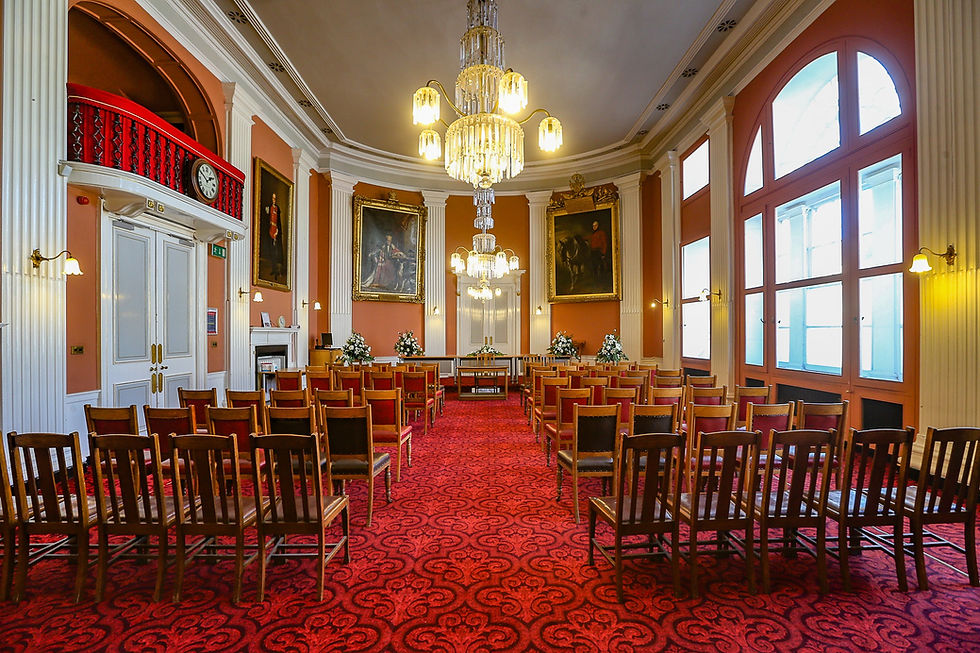
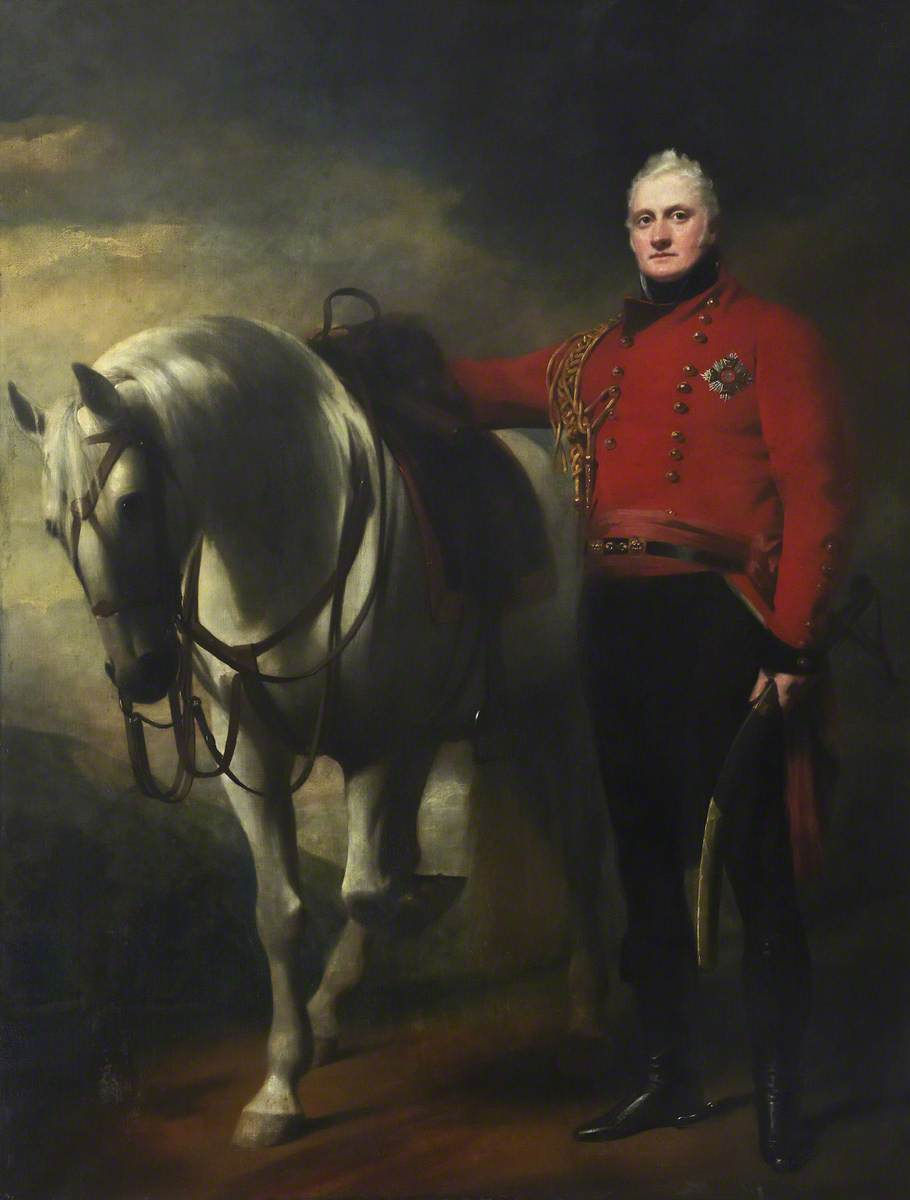
My mum and I set off on a dreich Sunday morning. I must admit that until today's visit, my familiarity with Cupar stemmed mainly from driving through the place. Exploration of the town centre on foot had been a rare occurrence. A double dose of open-day venues would help redress that balance. We parked just round the corner from the B-listed County Buildings. Mum had done several Sunday road trips to Cupar with her own father many decades ago. As a cub reporter, my dad had been sent to cover a council meeting here on one of his first journalistic assignments. Before centralisation of the DVLA at Swansea in 1974, car and driver documents were processed by individual county councils. Cupar fulfilled that function for Fife. Built in neoclassical style on St Catherine Street, the County Buildings were completed in 1817 and a sympathetic eastward extension was added in 1925. Further office space was created to the rear, three decades later. Initially used mainly for judicial purposes and dealing with burgh business, the property became the base for Fife County Council, formed in 1890. It was a major shake-up of local administration in Scotland. Each historic shire was now governed by an elected public body with considerable unified powers. There were exceptions; 26 large burghs across the land continued to run their own political affairs. Dunfermline and Kirkcaldy were the Fife examples. This patchwork arrangement was largely swept away in 1930, when only the four largest cities retained outside of county control. Two rooms were open to visitors today: County Hall and the former principal courtroom. They are used today for functions and planning committee meetings. Several oil paintings hand from the walls in the old chambers and there is a striking balustraded parapet. The artwork below was created by Sir Henry Raeburn - one of Scotland's foremost portrait painters of the Georgian period. General John Hope - 4th Earl of Hopetoun (West Lothian) - is shown in a military pose. A tall monument dedicated to Hope's exploits stands atop Mount Hill, overlooking Cupar and visible from miles around. We proceeded into the historic courtroom, which held its last case in 2014. The original interior architecture remains intact, but modern technology has been installed throughout. Sheriff trials took place here, with occasional High Court sittings. The Cupar closure was part of a rationalisation scheme across the country, which saw several towns lose their judicial clout.


Scottish local government was completely rearranged in 1975. The County Councils were dissolved and services instead provided by a top tier of nine regional bodies, with a layer of district authorities sitting below. The old shires have never been formally abolished, merely not used for political purposes. Fife actually became an administrative region in its own right, presiding over three subordinate areas, viz Dunfermline, Kirkcaldy and Northeast. Cupar County Buildings became the headquarters for the latter organisation, while also hosting Fife Regional Council on a short-term basis in preparation for the move to Glenrothes. The offices of the Development Corporation for the new town were rebranded as Fife House, which is still in use today. Northeast Fife Council was wound up in 1996, as Scotland adopted a unitary local authority set-up. Since then, the County Buildings have functioned as a customer service point for local residents, dealing with issues such as housing applications and registration of births, marriages and deaths. The scaled-down nature of these responsibilities means only a small part of the premises is actively occupied, with a staff of just 30, compared to 500 in the heyday of Fife County Council. A recent newspaper article questioned the validity of such an arrangement, particularly in a largely digital world. Perhaps a suitable solution would be a hybrid model of local government and artisan traders. The grand nature of the building is an attraction in its own right. We headed round the corner for lunch at Fisher & Donaldson's - a Cupar bakery that has been in existence since 1919. Brothers in law William Fisher and David Donaldson used their demob pay-off to get the business off the ground in the town centre. Now managed by the fifth generation, the firm has seven outlets in the Fife/Dundee area. The shop on Ceres Road has ample seating and we spent a leisurely hour here, before toddling back to the railway station to visit the museum and heritage centre. Cupar is a stop on the East Coast Main Line and running a station of this nature is less intensive in terms of labour than was the case in the days of steam. The museum is run by volunteers and located within a former staff house on the station footprint. Network Rail offered the building at a very reasonable rent and opening hours are 1400 to 1630 three times per week. The current special exhibition commemorates the 250th anniversary of Cupar Curling Club. It is thought to be the 10th oldest organisation of its type in Scotland, making the sport an ancient one, along with golf. Cupar play their matches at indoor ice rinks in both Perth and Kinross. Historically the game was played outdoors in winter and a map showed many curling ponds dotted around the north of Fife. The coming of the rail network paved the way for a massive gathering known as a Grand Match (or Bonspiel) to be staged on a national scale. Major lochs were used. Seven inches of ice must form to ensure the safety of participants. Due to a shift towards milder climates, the Bonspiel has taken place just three times since WW2. Loch Leven hosted the event in 1959 (my dad was a spectator) and the Lake of Menteith was the chosen venue in 1963 and 1979. The deep freeze of 2010 generated the required conditions and the Grand Match was all set to return to Menteith, only for the authorities to cancel the extravaganza as they felt the safety of the estimated 20,000 participants could not be guaranteed. The problem of how to handle a huge volume of traffic on minor roads was also a stumbling block. Something that wasn't a problem when people arrived by train.


The main museum gallery focussed on the history of the Royal Burgh. This status allowed Cupar to trade on an international basis and hold regular domestic fairs. Cupar thrived as a market town in the medieval period and the core streets still extant today came into being. The burgh councillors met in the tolbooth, which also served as a courthouse and jail. This arrangement continued until the emergence of the County Buildings, which also accommodated the head offices of Fife Police until 1949, when Kirkcaldy became the new centre of operations. The Fife & Kinross Asylum opened in 1866, the site being selected because of Cupar's population base and proximity to a main railway line. The establishment was eventually absorbed into the NHS and the name changed to Stratheden Hospital, which treats patients to this day. The general Adamson Hospital opened in 1904 and remains open as a community health facility. Cupar is situated in prime farming territory and Elmwood Agricultural College was launched in 1953, when Fife County Council purchased Elmwood House. The project incorporated the former Stratheden Hospital farm. A golf course was added in 1995 and courses in greenkeeping are now offered. The county town was badly affected by two horrendous railway disasters in the 19th and 20th centuries. The original Tay Bridge collapsed in 1879 while a train was crossing and some of the passengers had boarded at Cupar. There were no survivors. In 1937, a Dundee to Glasgow service stopped at Cupar and later suffered a serious collision in snowy conditions at Castlecary in Dunbartonshire. 35 people lost their lives and many more were injured. The compact museum does a great job of relating the stories of Cupar and its people. The town has gone through many changes since losing its key administration role but remains a bustling country market town. The current population is around 9000. A successful start to my Doors Open schedule for 2025, and good to finally have a proper look at some of Cupar's rich heritage. There was a little more to come though. On the way home, we pulled into Ladybank - a settlement that grew around a busy railway junction. Trains bound for Edinburgh, Dundee and Perth stop here. Our point of interest was a tiny Episcopal church within an end-terraced cottage on the road leading to the village centre. The last remaining example in Scotland of its type, St Mary's staged its inaugural service in 1900.


The micro-church meets twice per month and is partnered with St James the Great in Cupar - a much larger place of worship. The Scottish Episcopal denomination is part of the worldwide Anglican Communion and is the third biggest Christian organisation in Scotland, although considerably smaller than the Church of Scotland and Catholic Church. As you would expect, stepping inside St Mary's is just like entering someone's front room. A long wooden pew is permanently attached to the rear wall and two rows of chairs were set out. A church member welcomed me and explained the regular turnout is around 10 people, but more than double that amount attend around Christmas time. Through the kitchen window, I was able to view the spacious garden behind the cottage - used for coffee mornings and other social functions. The building dates from 1810 and formerly housed factory workers. A quirky little place.


  • Writer: Walking With Brian
    Walking With Brian
  • Sep 3, 2025
  • 16 min read

Updated: Sep 14, 2025

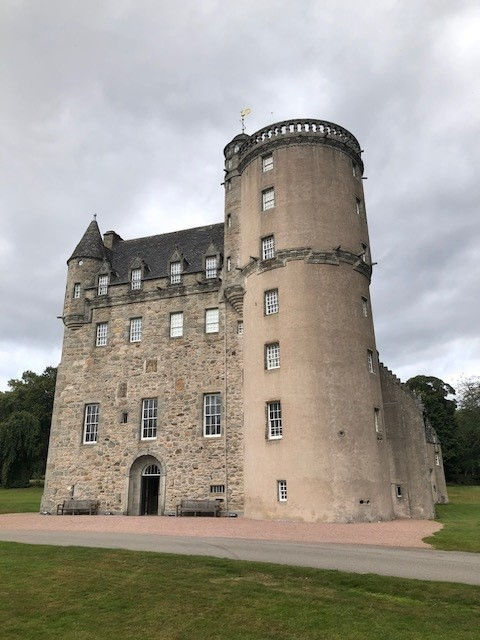
Despite being part of the Fraser tribe for the past 53 years, I had never visited the Aberdeenshire castle named after my possible ancestors. This summer, the planets aligned favourably. We had arranged to visit our friend Caroline for a few days, who lives just a few miles from the National Trust property. Our membership would cover the cost of admission. It was the proverbial no-brainer. We drove north towards Aberdeen, taking the new city bypass to arrive at Caroline's place in the village of Blackburn.


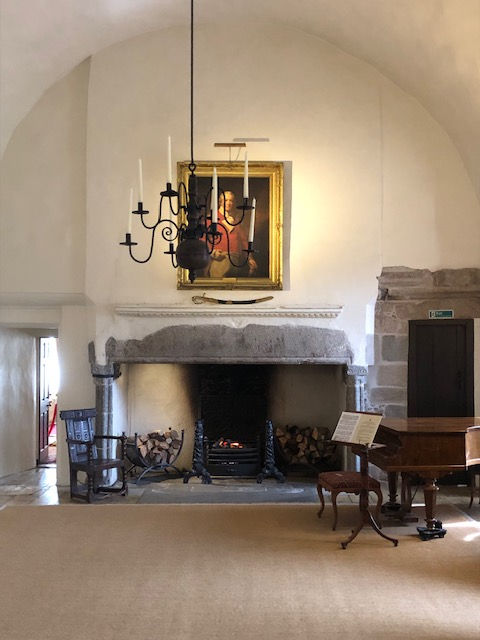
On the way up, we had stopped in Montrose for lunch by the promenade. We also paid a visit to the wildlife centre on Montrose Basin - the tidal enclosed estuary of the River South Esk. We know the nature reserve well and often drop in when in the general area. As members of the Scottish Wildlife Trust, we were granted free entry. An elevated glass-fronted viewing gallery looks across the mudflats and guides are on hand to point out species of interest. Binoculars and scopes are provided. Today's volunteer was a highly knowledgeable (and rather excitable) man from Belgium, who had travelled the whole world in search of new spots. He was an interesting character and very helpful to visitors of all birding abilities. We saw tern, greenshank, lapwing, oystercatcher and a couple of seals out on the sandbank. For dinner that evening, we had pizza outdoors at the Forest Farm organic dairy on the edge of Blackburn. Established in 1989 by Anne and Anthony Willis from Wiltshire, the business switched to organic produce in 1998 and the current herd numbers 150 grass-fed animals. The farm is now managed by the third generation of the family. Visitors can fill glass bottles from the milk vending machines and an on-site ice-cream shop sells gelato, in addition to speciality coffees and homemade cakes. The pizzeria was added to the portfolio two years ago and some of the outside tables are enclosed within pods. It took just 20 minutes to drive to Castle Fraser the following morning and entry to the manicured grounds is free, with non-members asked to pay a car-parking charge. We strolled down to the reception, where I was invited to sign the Fraser guest book in the Great Hall upstairs. The first room on the self-guided tour was the kitchen, which would have fed the entire estate staff, as well as the Laird and his family. It would have been in operation round the clock. Castle Fraser is a large Z-plan tower house and the core part dates from around 1450. The modern building is A-listed and compromises six floors, two wings and the round tower. The Fraser family resided here until 1921 and a portrait of General Alexander Mackenzie Fraser (1758-1809) hangs above the fireplace. He had a distinguished military career across Europe and North Africa. The castle was modernised in the late 18th century and further interior alterations were carried out over the next few decades. The last laird - Frederick Mackenzie Fraser - died childless in 1897 and his widow Theodora sold the largely derelict property in 1921, due to mounting financial pressures. The purchaser was the English industrialist Weetman Pearson, 1st Viscount Cowdray, who primarily wanted to acquire the surrounding land. He gave the ailing castle to his son Clive as a restoration project. A programme of work was undertaken, with Clive Pearson's daughter Lavinia Smiley taking over the reins in 1946. She and her husband Michael were the last private occupants before the National Trust acquired the estate in 1976. Today, visitors can explore the 300 acre site and inspect one the most finely evolved tower houses in the entire country.


Nicole and I added our details to the Fraser book. Many entries were from overseas. Accessed by a beautiful stone spiral staircase and located within the original building, the Great Hall is the principal room used for celebrations within the castle. With its high barrel-vaulted ceiling, this bright and spacious room enjoys natural light from three large south-facing windows. The striking chamber can be hired for weddings and other functions. The tour progressed to the dining room - added as an extension in 1633 and lavishly decorated in Georgian style. The mahogany table is an original feature which can seat over 20 people when fully extended. The adjacent Peacock Parlour was the smoking room to which gentlemen retreated after eating. Here they would unwind after the strict formalities of dinner. A portrait of the ill-fated Charles I is on display. We checked out Lady Smiley's sitting room. An author and illustrator to trade, she didn't live permanently in the castle during her stewardship, choosing instead to convert the octagonal stable block. Major Smiley fought in WW2 but was captured early on. He spend most of the conflict holed up in prisoner camps, including Colditz. Returning home eventually, he settled into the role of running the Castle Fraser estate. A room has been set up as a commemoration of his activities. A stuffed wildcat sits atop a cabinet. The species is now incredibly rare, due to persecution, habitat loss and cross-breeding with feral cats. A photograph shows the mausoleum of Elyza Fraser - a lady laird who inherited the castle in 1792 at the age of 58. She made a number of improvements, including widening the west window in the Great Hall to provide a view of the setting sun. She also added her own coat of arms to the exterior and - unusually for the time - played an active role in managing the estate. A large sum of money was spent on the landscaping of the grounds, a project that included the addition of the walled garden, serpentine lake and stables. With her long-term companion Mary Bristow, Lady Elyza travelled extensively across Europe, visiting many gardens. A large collection of horticulture books reside in the castle library today. The A-listed mausoleum is located in nearby Cluny Churchyard. The photo showed mort safes next to the tomb. The purpose of these strong metal cages was to deter grave robbers, allowing the body to decompose for a period in a secure setting, thereby rendering it worthless to thieves looking to supply unscrupulous medical research centres prepared to look the other way. Game shooting was a commercial activity in the post-war period and a poster on Major Smiley's office wall outlined the etiquette. Here is a small excerpt. A hat and tie must be worn. Shooters should introduce themselves to all fellow participants upon arrival. Never take aim at someone else's bird, unless he is a close friend who won't take offence. Thank the beaters, catering staff and tip the keeper (lucky man). In the games room, the guide was a fellow Fraser and he chatted at length about the characters who had inhabited the castle over the ages. A green baize table stood in the centre. A type of bagatelle game, rather than billiards. The trophy room had the usual assortment of animal heads from hunting expeditions, some being brought home from European forays. Included in the menagerie were two stuffed dogs - family pets from the 19th century named Laddie and Joe. Living on forever in their glass cases. The spiral staircase brought us to the top of the tower and we enjoyed the panoramic views across the wider estate. The walled garden was nestled below. It provided fruit and vegetables for the castle and contained two peach houses and a vinery. The heated north wall facilitated the growing of produce deemed exotic for the northeast of Scotland. Also visible from our vantage point was the stable block, now hosting office space and rental apartments.


We gradually worked our way back down to ground level. A secret spy hole was the laird's lug, used to eavesdrop on conversations taking place in the Great Hall. Noble families looked after their own interests in those days. The Frasers' stance on the Jacobite Rebellion was never clear cut. God was always present in some way, as evinced by the well-appointed chapel. We finished up in the Bailiff's Room - where staff wages were disbursed and rent from farming tenants collected. It had been a fascinating tour and the volunteers had delivered a wealth of information, both historical and humorous. After a coffee in the cobbled courtyard, Nicole, Caroline and I decamped to the walled garden for an outdoor lunch. Deckchairs had been handily set out and we consumed our sandwiches among the colourful vegetation. The present layout is a nice balance between decorative displays and food production. The garden is run along organic principles and an abundance of insects and butterflies were winging their way through the plants. The upper parts of the castle protruded above the south wall and a number of people were relaxing in the large compound. A wooden cart offered a selection of vegetables and payment could be dropped into the honesty box. Castle Fraser has a lot to offer and I recommend allocating half a day to explore the main attractions. More if you wish to follow the waymarked woodland trails. We dropped Caroline back at her house and drove down towards Stonehaven to check out a beach in the tiny village of Muchalls. Unfortunately the clifftop path had been washed away in a recent storm and we returned to Blackburn. The following day, we were northbound, seeking out the Loch of Strathbeg, beyond the major fishing port of Peterhead. A shallow freshwater dune loch close to the coast, Strathbeg is a protected area due to its importance to wildlife. Much of the area is managed by the RSPB. Formerly a sea inlet serving a small harbour at Rattray, the channel silted up over the centuries and an enclosed lake was formed. Attempts to drain the land were (thankfully) unsuccessful and the remains of a 19th-century wind pump can be seen from the viewing window in the visitor centre. An elderly gentleman was scanning the landscape with his binoculars and he told us how to reach the hide by the loch shore, which lay a good few hundred metres in the distance. The reserve contains a healthy mix of habitat around the loch. Sand dunes, wetlands and grassland provide rich pickings for birdlife. Vast numbers of pink-footed geese visit during the colder months and there are breeding terns and gulls, alongside migrating waders and wintering wildfowl (such as whooper swans and teal). Grazing livestock (including ponies) help maintain a suitable balance of living conditions. Water levels are carefully monitored and controlled.


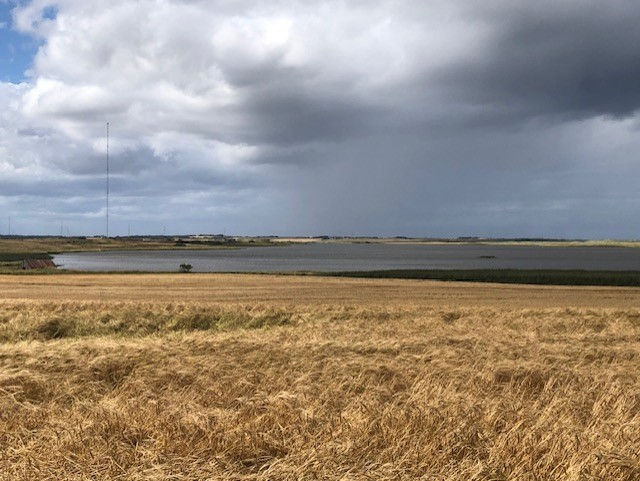
To reach the far hide, we had to drive through Crimond Airfield (officially Royal Naval Air Station Rattray) - a mothballed MOD site that has restricted public access. A signed roadway leads to the RSPB car-park beside a patch of woodland. Crimond boasted four hard runways and opened in 1944 for training drills. The project was short-lived as the war finished the following year. Active operations ceased in 1946 but the land was retained by the government. High-frequency transmitting equipment occupies part of the site today, one of six such bases across the UK that form a national network for defence purposes. Motor sport in various forms has been staged at Crimond since the 1950s. A two-mile circuit was fashioned from the old runways and Jim Clarke made his racing debut here. The Fife-born driver went on to enjoy great success, lifting the F1 Championship twice in the 1960s before tragically losing his life at the Hockenheimring in Germany. At the time of his death in 1968, Clark had won more Grands Prix than anyone else on the planet. Stock-car racing has taken place at Crimond for half a century. The present track is located on the southern edge of the airfield and a couple of meetings are staged each month. There was car-related activity in progress as we drove past and we could still hear the engines revving as we arrived at the bird hide on the far side of the compound. A boardwalk took us through the ancient forest. Lichen hung from the trees and I wonder if the off-limits nature of the military zone had helped preserve the habitat. There wasn't a great deal of bird activity on the actual loch but two white blobs stood on the far side by a reed bed. Nicole suspected they might be spoonbills and the scope was straining at maximum range, unable to provide conclusive identification. The shapes certainly projected the general body dimensions of this elusive wader. Two fellow spotters in the hide agreed with Nicole's theory and a spoonbill sighting (my second) was logged. An unexpected bonus that put a spring in our step as we trooped back to Dolly Duster. Driving back down the A90, we turned left towards Rattray Head. We parked by the remains of St Mary's Chapel (pictured below). The loch lay clearly visible across a field (next photo up). The historic church dates from the 13th century and is one of the oldest structures still standing in the northeast of Scotland. I had a walk around the adjacent graveyard, whose walls were restored in Victorian times. Rattray is a vanished Royal Burgh, a status conferred in 1564 by Mary, Queen of Scots. This development brought foreign trading rights, as well as two local fairs per year. However, Rattray failed to thrive, chiefly because the founding of the Royal Burgh was a political manoeuvre to settle an ongoing local dispute, rather than a solidification of economic growth. The community's fate was sealed in 1720 when a major storm destroyed a sand dune and blocked the navigable channel leading to the North Sea. Without a harbour, the village was doomed and the population dwindled away.


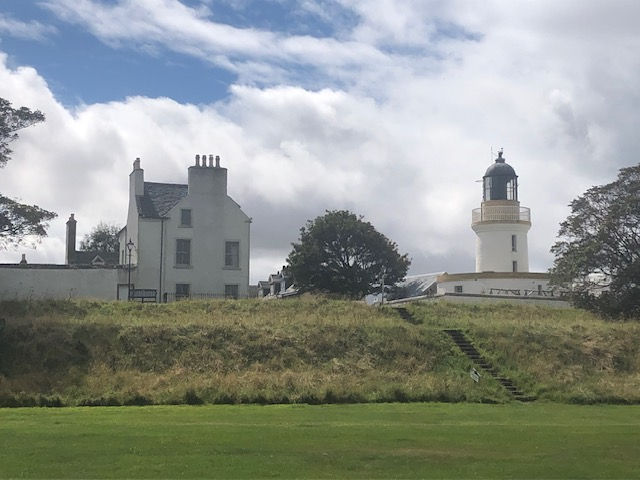
We decided not to proceed to the extremity of the headland as the road beyond the church was not for the faint hearted. This meant missing out on a lighthouse but we gained ample compensation at Boddam, a coastal village just beyond Peterhead. Buchan Ness Lighthouse came sharply into view as we drove down the hill towards the harbour. Arctic whaling voyages departed from here in times gone by. The 36-metre granite lighthouse was completed by the Stevenson family in 1824 and helped prevent vessels running aground on the treacherous Buchan coast. The red band was added in 1907 to help passing ships determine their exact location and a foghorn (locally known as the Boddam Coo) was installed. Its booming finally ceased at the turn of the 21st century. The Boddam branch railway closed in 1948. It also served the grand Cruden Bay Hotel - a late Victorian hydropathic resort, something in fashion at the time. Peterhead has been bereft of a rail link since 1970, despite being the third-largest fishing port in the United Kingdom. My dad recalls watching the fish trains thunder through Fife en route to the big-city markets. We had a table booked at an Indian restaurant in Inverurie that evening. A little celebration for Caroline's birthday. There was still time to nip along to Newburgh - a small port on the Ythan Estuary, 14 miles north of Aberdeen. It was historically the sea link for the town of Ellon, further upstream. Clipper ships once sailed to destinations all over the globe, delivering tea and other cargo. Coal barges sailed up the coast from Aberdeen to offload on the quayside. Salmon fishing was a major local industry. Commercial sea traffic declined over the post-war decades but the large village experienced an upturn in economic fortunes in the 1970s, when the Aberdeen oil boom brought wide investment to the region. Newburgh now functions as a dormitory village within easy commuting range of the Granite City, and also Peterhead. A popular local attraction is Seal Beach - one of the few locations in Scotland where sightings of the marine mammals are virtually guaranteed. A huge colony of 400 spend considerable time here, chilling out on the golden sands. After paying a few pounds to park, we followed the walkway between the dunes and immediately clocked a group of seals lounging on a sandbank. More could be seen slightly further out and the beach thronged with visitors enjoying a wildlife experience that - thankfully - appeared to leave the subjects largely unperturbed. There is no access on foot from the viewing area to the land occupied by the seals.


It was certainly the largest blubber fest I'd ever witnessed anywhere. Something of a hidden gem, as I have never heard anyone else talk about this nature haven. We had been tipped off by the excellent smartphone app Where to Watch Birds in Scotland. Sorry. my dear feathered friends, you were outgunned on this occasion. A fine way to cap a day's coastal exploring and it was time to head inland to Inverurie to sample some quality Asian nosh. I ordered a lamb curry and had onion bhajis as a starter dish. My (highly successful) ongoing weight-loss programme was temporarily paused as I tucked in. Balance is required in these matters. We had to depart Blackburn the following day and our next destination was Nairn, where we had three nights booked in a familiar bed & breakfast. We drove up to Banff and cut along the coast to Cullen. A hearty lunch was enjoyed in the Rockpool Café, situated in the main square of this pretty seaside town. I ordered the house burger and a mug of the famous fish soup Cullen skink. We pushed on to Nairn and checked into the same property we had booked for a weekend stay back in November. Hosts Corrin and Jimmy had converted the front room to a double ensuite since then and we were the first guests to sleep there. A few finishing touches were still required and we had secured the reservation at a bargain rate. We had a large TV and basic food could be prepared in the corner kitchenette. Perfect for our needs. Our hosts invited us to the family dinner table for a Sunday roasts, where we were joined by their adult daughter Jude. A pleasant evening ensued and we planned to visit the Black Isle the following day. Cromarty was our final destination, at the tip of the peninsula. We stopped at Chanonry Point - one of the best places in Scotland to view bottlenose dolphins at close quarters. The narrow shingle spit on the Moray Firth is often crowded and the car-park can get very busy in summertime. Nothing is guaranteed, and we were delighted to spot a couple of dolphins in proximity to the shore. A modest lighthouse has overlooked the swirling waters since 1846. It has been automated for the past 40 years and was previously a one-man posting. Approaching Cromarty, we pulled over at the automated egg dispenser by the A832 then dropped into the beer shop. I purchased a selection of bottles and cans for later consumption. Cromarty Brewing has been trading since 2011 and more information about this venture and the history of the port town can be found in an earlier blog entry here. We enjoyed an outdoor coffee by the ferry terminal. A small craft with space for two cars shuttles across the Cromarty Firth to Nigg, every half hour. We popped into a pottery and the neighbouring craft shop, places we had visited last year. Unfortunately Tasha the cat was not in attendance today. A walk along the seafront took us past the lighthouse, which sits in an elevated position, around 100 yards back from the shoreline. It was decommissioned in 2006 and is now used as a field station for marine research by the University of Aberdeen. We ate lunch while watching the waves and then drove around the peninsula coast to RSPB Udale Bay. The tidal estuary is a haven for waders, ducks and gulls. A spacious hide offers a cinematic view and we spent a good hour here. A large Norwegian cruise ship was anchored further out in the firth. Back in Nairn, we found a chippie, parked up at the large harbour and ate fish suppers. Afterwards, we walked the full length of the pier and sat watching the birds for a while.


We awoke to a glorious day and a trip down memory lane was on the agenda. My folks had a static caravan at Embo, near Dornoch, for many years and the whole family enjoyed summer trips to the large campsite named Grannie's Heilan' Hame. It took around an hour to reach the resort and we approached via Loch Fleet, where a number of seals were basking in the sun. A French family were excited about seeing the mammals in the wild for the first time and the mother asked us where they could see puffins in Scotland, or muffins as she mistakenly called them. An amusing moment. We wandered across the campsite and down to the beach. Nothing much had changed but we both remarked that the place wasn't quite as busy as we had expected it to be, especially in the period when the Scottish and English school holidays overlap. In Dornoch town, we browsed the bookstore, one of our favourites in the whole country. The type of place that you don't want to leave without making a purchase. I bought a copy of Night Train to Odesa, an account of a Scottish journalist witnessing the outbreak of the invasion of Ukraine. After eating an ice cream and wandering by our old haunts, we headed back down the A9 and cut across to Chanonry Point for another look. This time we were out of luck. The tide had turned and the dolphins were drifting back out to sea. Nevertheless we sat in the sun and enjoyed the relaxed atmosphere, watching people mill around. Passing through Fortrose on the return journey, Nicole bought a pair of earrings from an artisan jeweller. Many wildlife-inspired items were on display. A few miles along the road, we paused at Avoch Harbour for a stroll. Nowadays mainly a leisure marina, a few small commercial fishing boats remain. Dolphin viewing trips depart from here. The village now serves as a commuter base for Inverness. A branch railway ran out to Fortrose but closed in 1960. A long stretch of the embanked formation is visible from the A832 between Avoch and the road junction with the A9. Back down in Inverness, we ate at Nando's - a restaurant chain specialising in chicken. A group of Germans were sitting at the next table and had mistakenly entered the wrong branch into the ordering app. Technology generally makes our lives easier, but it's not completely foolproof. We settled in for the night at our accommodation and I even had a go at using the smart toilet the next morning. You can clean yourself up afterwards without paper being involved. I'll leave the rest to your imagination. It was time to hit the road, but I'm sure we'll stay at this large townhouse again. The Findhorn Foundation ecovillage lies a few miles along the A96 from Nairn and we always visit when in the area. The roots of the sustainable project can be traced back to 1962 and the spiritual community grew throughout the following two decades. Nicole attended the well-known "Experience Week" a number of years ago, although the retreat has now been transferred to Iona in the Inner Hebrides. By 2005, the ecovillage had around 450 resident members, who were claimed to have the lowest recorded ecological footprint of any community in the industrialised world. Around 5000 people per year attended the various courses, conferences and educational programmes. The pandemic provoked a downward financial spiral, compounded by an arson attack on the village hall by a disgruntled worker who had been made redundant. Wholesale restructuring was required and the place now has a much quieter feel.


The Phoenix organic shop still trades on site and it is one of Nicole's favourite places to browse. We sat in the tranquil garden, where the caravan that housed the original pioneers stands in the corner. Certainly a unique place in Scotland. To the north of the ecovillage, lies the actual historic settlement of Findhorn, considered a separate entity from the Foundation's territory. Findhorn Bay is an enclosed estuary and an area of scientific interest. The beach was inaccessible today as the tide was right in. We took the scenic route south, driving across wild moorland before emerging at Grantown on Spey. We proceeded to RSPB Loch Garten, located within the enormous Abernethy Forest and one of the few places to see crested tits in Scotland. Despite us having come a long way, they didn't come down from the pine trees to greet us. How inconsiderate! The visitor centre has scopes trained on the osprey nest but there were no sightings to report today. It was here in the 1950s that the elegant bird of prey returned to Scotland (from Scandinavia) after being declared locally extinct. A conflict occurred last year between rival males, leading to eggs being destroyed. Things seem to have settled down again. We contented ourselves by watching the smaller birds on the feeders, while eating our sandwiches. Our holiday was almost over and the final push down the A9 was halted briefly near Dunkeld, where an air ambulance landed in a field next to the road. Two cars had their front ends mangled. Hopefully nobody was badly hurt.


bottom of page